HEALTH INDUSTRY
Health services in Turkey consist of a mixture of public and private health services. Turkey has universal health services within the scope of the General Health Insurance system. Under this system, all residents registered with the Social Security Institution (SGK) can receive free medical treatment at hospitals contracted with SGK.

Due to the health care reforms of the 2000s and 2010s, universal health insurance coverage for the population has been provided and the overall quality of health care has improved considerably, from 39.5% in 2003 to 75.9% in 2011 when patients are satisfied.
The following medical treatments happen to be offered by SSI.
• Emergencies
Occupational accidents and occupational diseases
•Infectious diseases
• Preventive health services (drug and alcohol addiction)
•Childbirth
•Extraordinary events (injuries from war and natural disasters)
Fertility treatment for women younger than 39
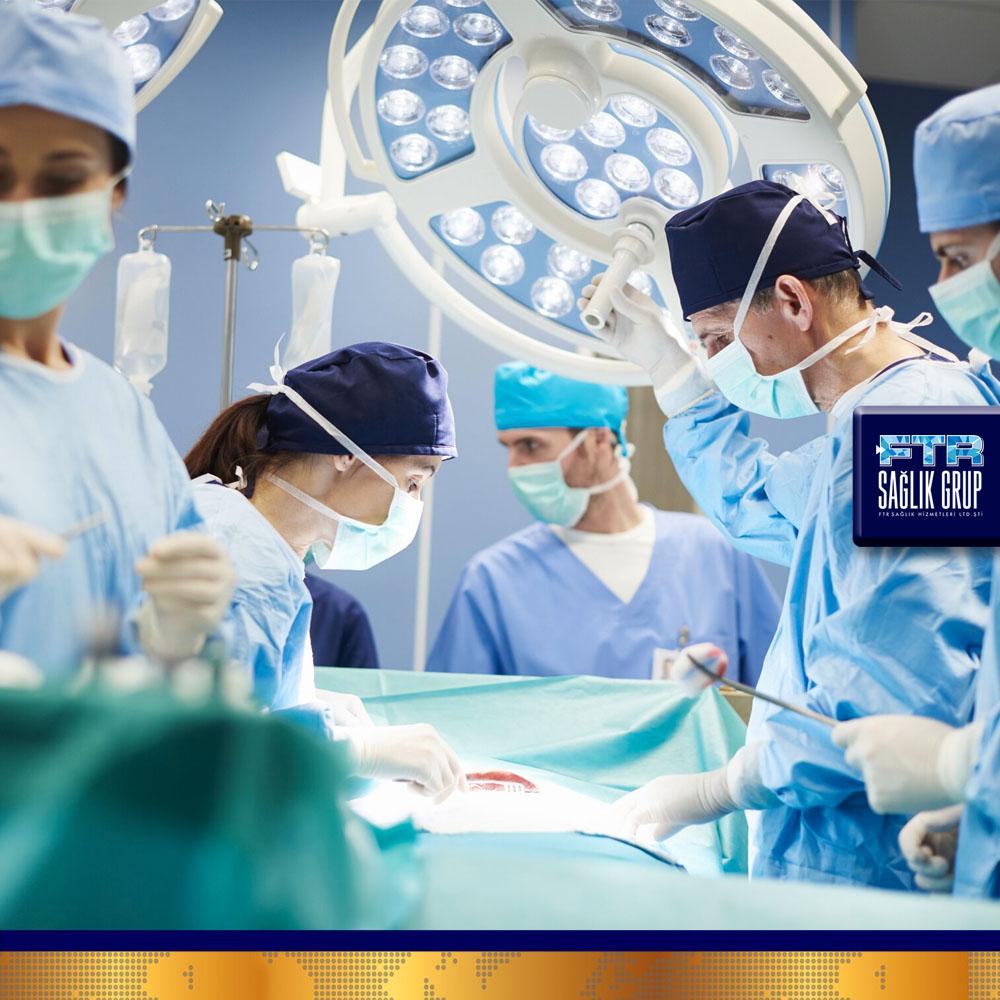
•Medical surgery deemed necessary
While some SSI-contracted hospitals offer dental care, in most cases patients have to rely on private dental services and are responsible for covering the costs. In addition, patients must partially cover the cost of some prescription drugs and outpatient services.
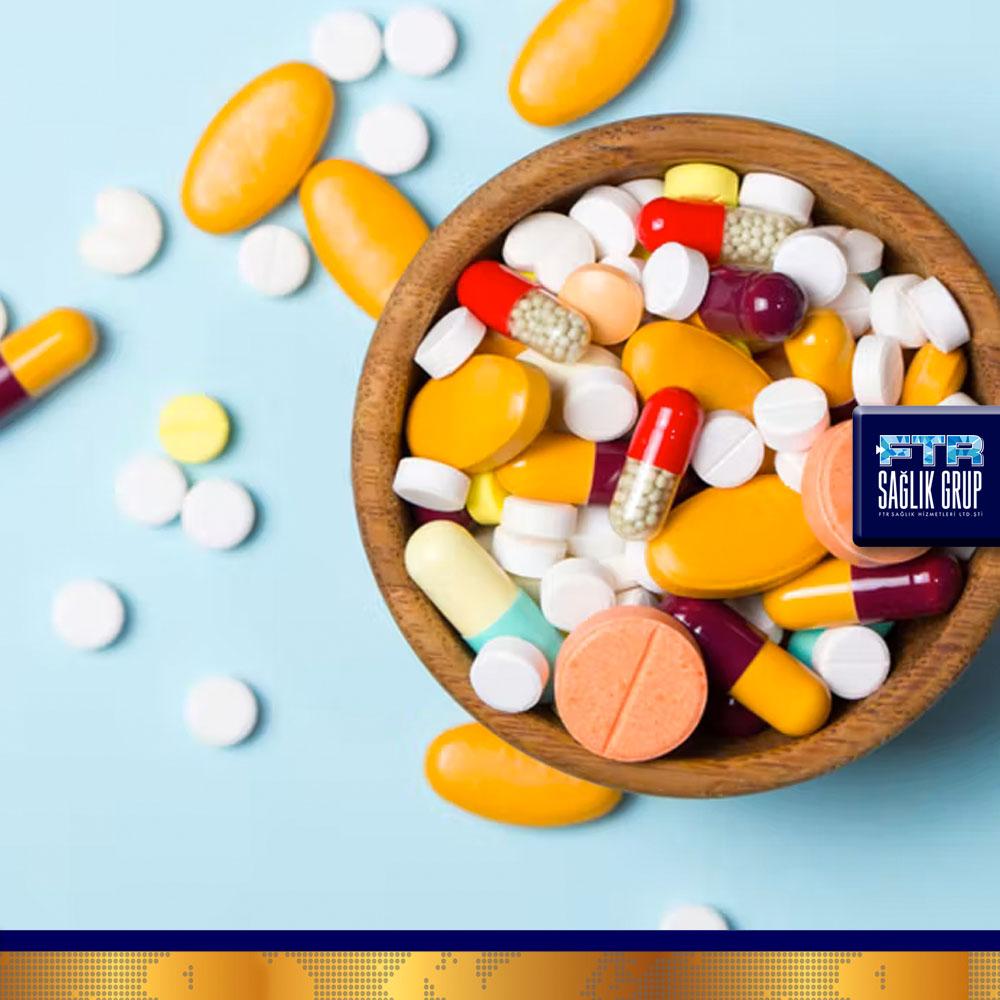
Medicine
As measured at defined daily doses per 1,000 people per day, Turkey had a high antibiotic consumption of 38.8 in 2015, twice that of the United Kingdom.
Vaccine
The history of vaccination in Turkey continues in a process that continues from the Ottoman Empire period. In 1721, the wife of the British Ambassador, Mary Wortley Montagu, informed her country that "something called a vaccine" was applied to prevent smallpox in Istanbul. In 1885, a law was enacted in the Ottoman Empire for smallpox vaccination.
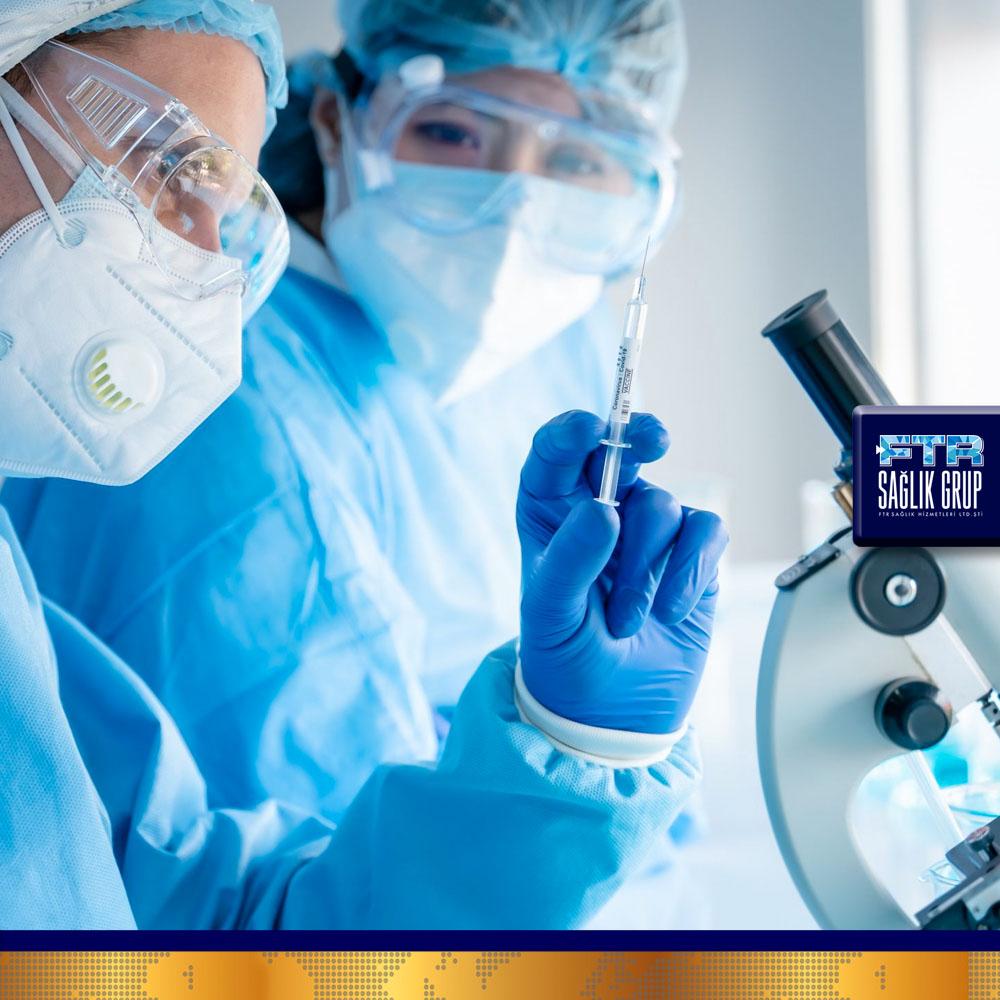
During the ongoing COVID-19 pandemic that started in 2019, mass vaccination against the disease started in Turkey on January 13, 2021.